Emergency callouts feel cheaper because you only pay when something breaks. The arithmetic rarely supports that.
Most building owners we speak to are not against planned maintenance. They simply have not seen the cost of skipping it laid out next to the cost of doing it. Emergency repairs arrive as individual invoices spread across a year, so they never appear as one number in a budget review.
Put them together and the pattern is usually visible within two quarters: a handful of assets generate most of the callouts, and those assets are almost always the ones that have never been serviced on a schedule.
Three costs that stay hidden
- Premium labour. Emergency work happens at short notice, often outside working hours, and is priced accordingly.
- Collateral damage. A failed drain line or a leaking indoor unit rarely damages only itself — flooring, ceilings and equipment are usually part of the repair.
- Downtime. A retail unit without cooling in June is not a maintenance problem, it is a revenue problem.
What a planned programme actually involves
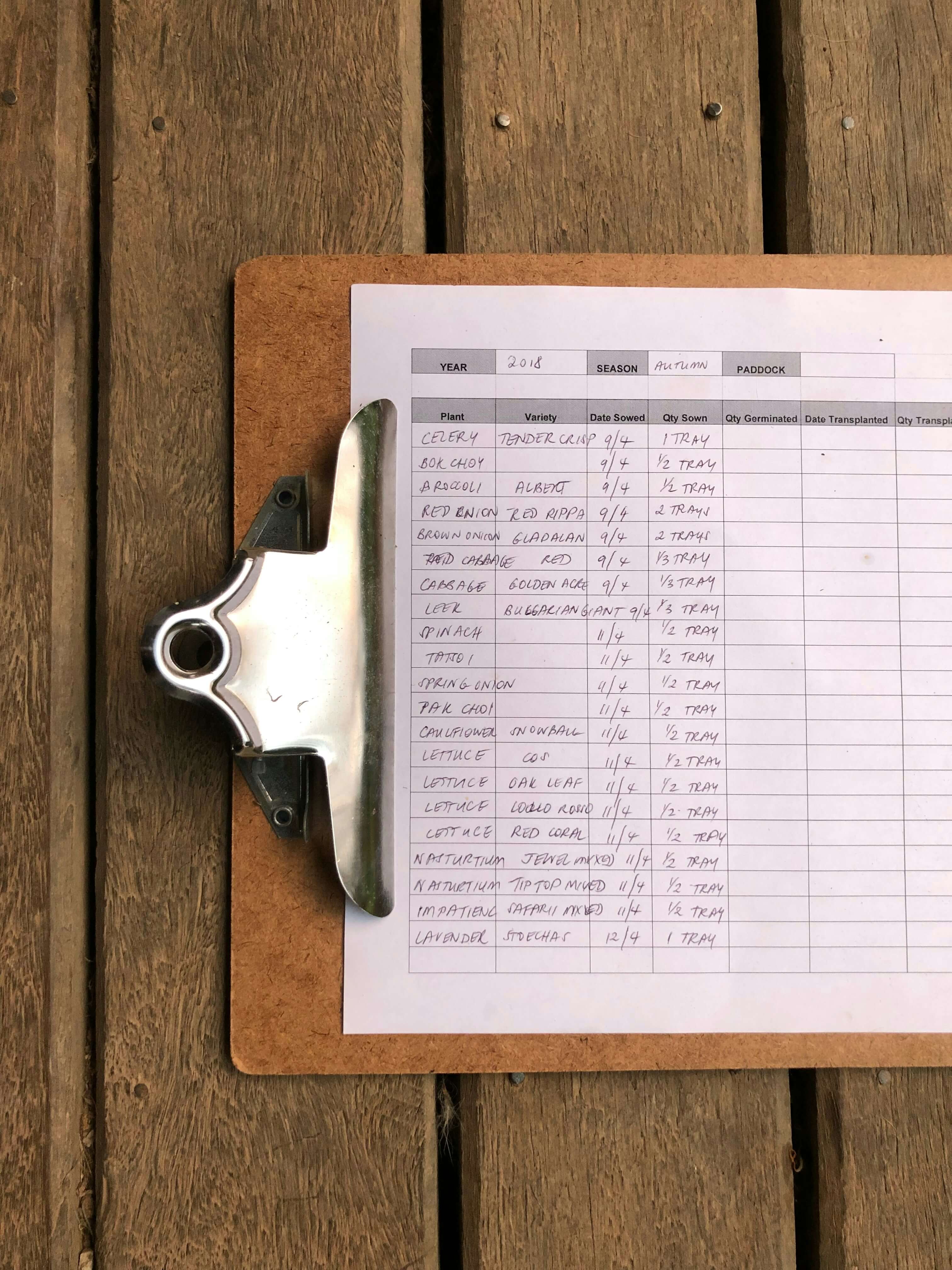
A workable programme starts with an asset list: what equipment exists, where it is, and roughly how old it is. From there each asset gets a service interval and a checklist. The checklist matters more than the interval — an undocumented visit provides no history, and without history you cannot see a fault developing.
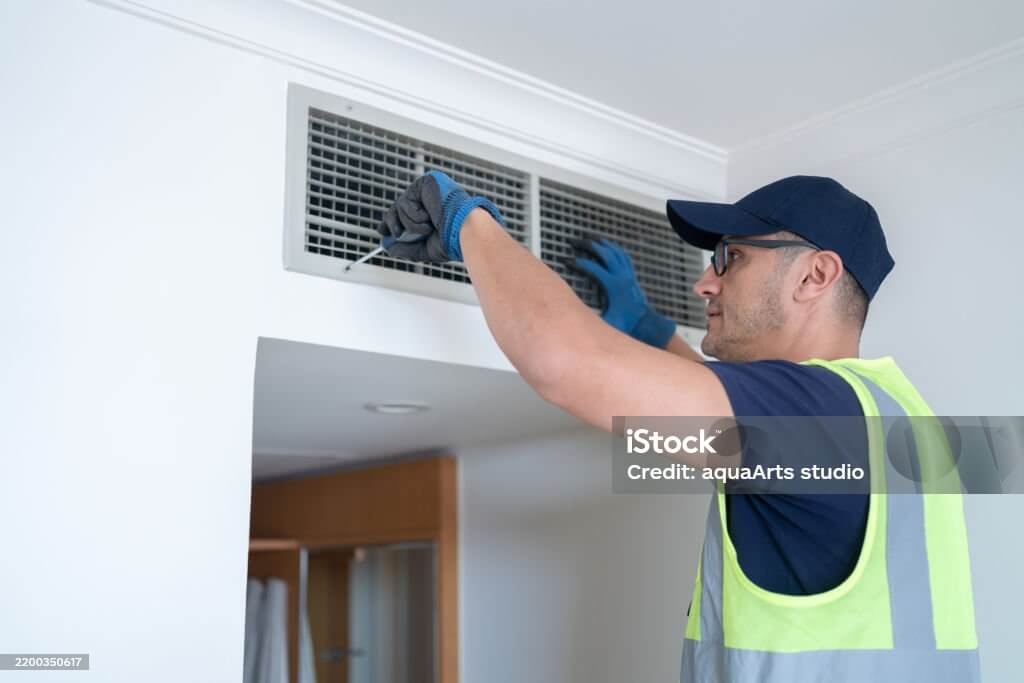
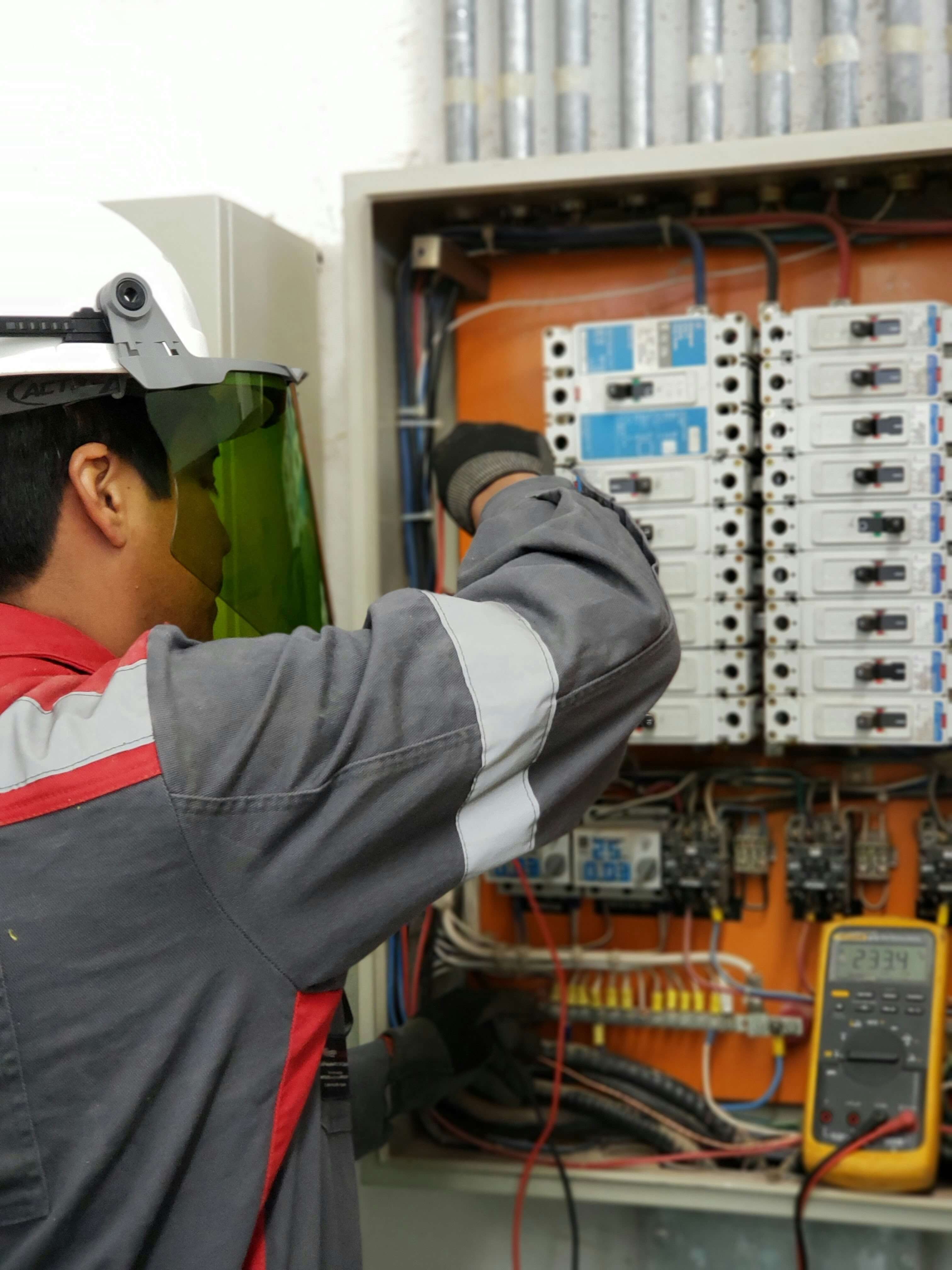
For most commercial properties in Pakistan, a practical starting point is quarterly HVAC servicing, half-yearly electrical inspection, and monthly checks on water systems and drainage. That schedule is not exotic and it does not need software to run.
Where to begin
Start with the assets that have failed in the last twelve months. They have already told you where the weakness is. Put those on a schedule first, keep a record of each visit, and review after six months whether the callouts have dropped. In our experience they do, and the difference is usually obvious enough that the rest of the programme justifies itself.