By the time a unit stops cooling in July, the fault has usually been developing since March.
Air conditioning failures cluster in the first serious heatwave of the year. That is not coincidence — it is the first time the equipment is asked to run at full load, and any weakness that developed quietly over the previous months surfaces at once. It is also the point at which every technician in the city is fully booked.
What to check before the season
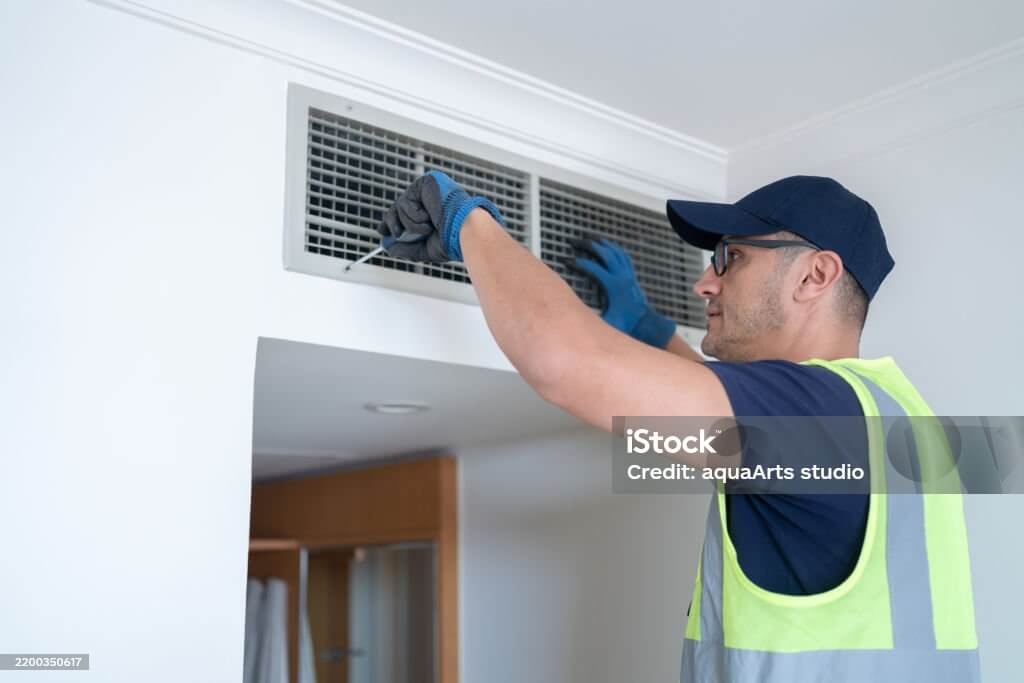
- Filters and coils. Restricted airflow is the single most common cause of poor cooling and high running cost.
- Drain lines. A blocked drain shows up as water on the ceiling, usually after the unit has been running for a few weeks.
- Refrigerant pressure. Low pressure means a leak somewhere; topping up without tracing it only defers the failure.
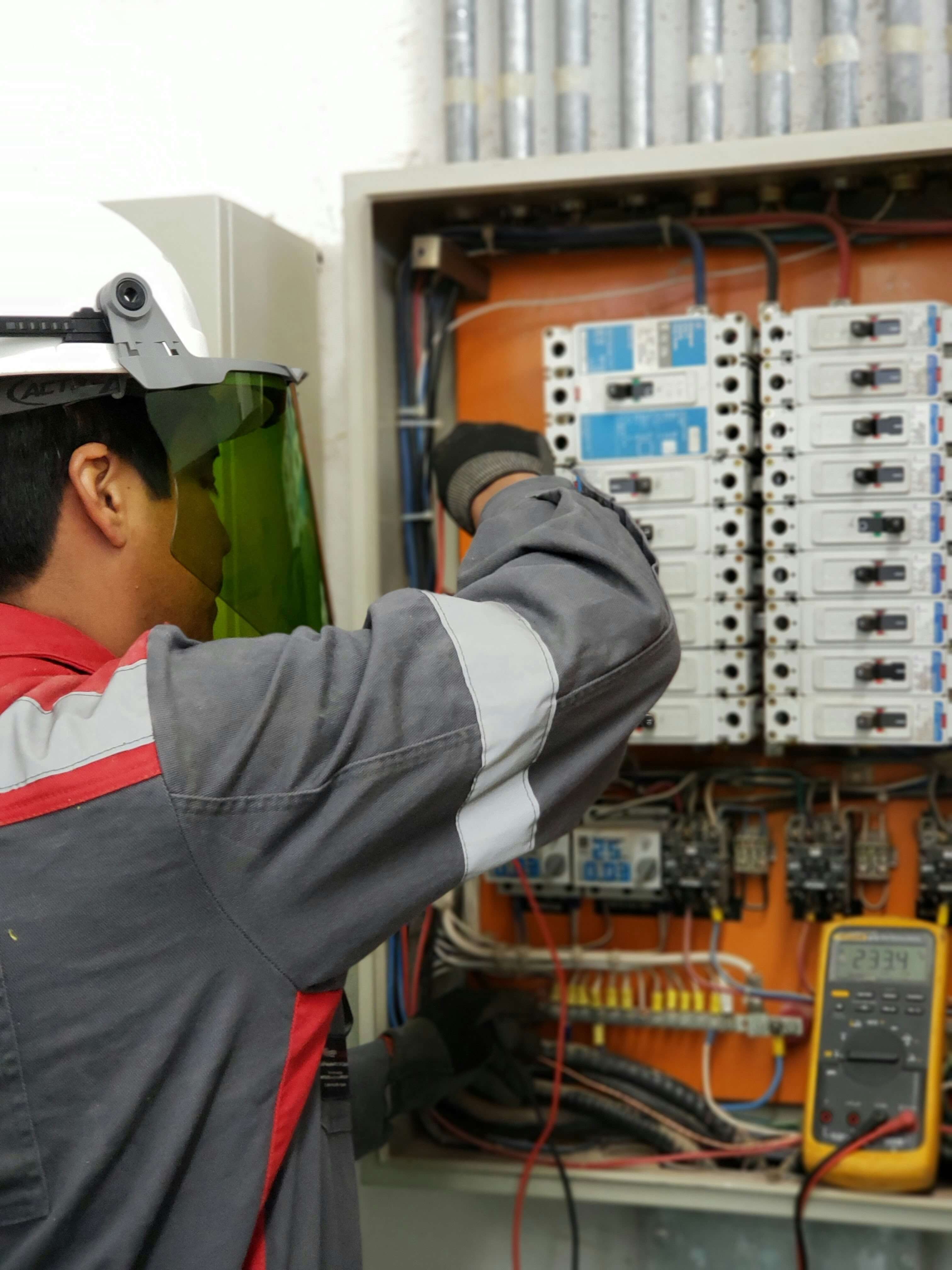
- Electrical terminations. Loose connections at the contactor and terminal block cause intermittent trips and overheating.
- Condenser clearance. Outdoor units surrounded by stored material or blocked by a new partition cannot reject heat.
Efficiency is the quiet argument
A unit with dirty coils and a partially blocked filter still cools — badly, and while drawing more power. Because it does not fail outright, nobody investigates. Cleaning restores capacity that was already paid for.
Timing
Servicing in March and April is straightforward. The same work in June competes with emergency callouts and takes longer to schedule. If a portfolio has more than a handful of units, book the season's servicing as a block rather than unit by unit.